Dunellen General Contractor Offering Complete Construction Solutions
Dunellen General Contractor Offering Complete Construction Solutions
Blog Article
Why Selecting the Correct General Contractor Is Critical for Your Project
Identifying the right main contractor is a fundamental call that can markedly influence a project's fruition. A fit contractor guarantees efficient management and adherence to financial plans. Their ability to navigate problems and maintain distinct communication is paramount. However, many building owners overlook essential variables in this selection cycle. Understanding these particulars can advance to finer outcomes and increased contentment. What should one consider when making this significant choice?
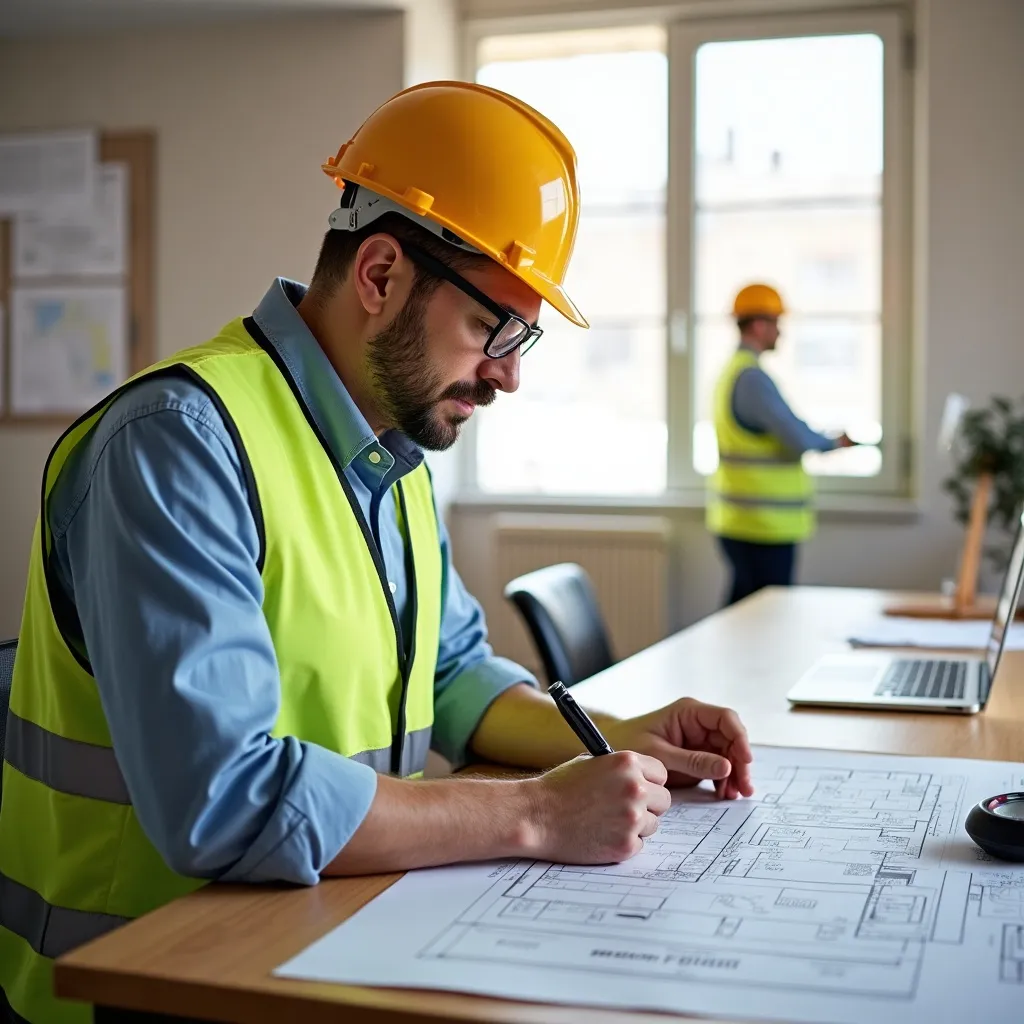
Common Difficulties in Hiring a General Contractor
When selecting a construction contractor, prospective customers often encounter numerous typical challenges that can hinder the decision-making process. One significant hurdle is the overwhelming number of options available, which can result in confusion and indecision. Customers may find it hard to differentiate between contractors based on credentials, background, and cost, rendering it challenging to identify who will best meet their project needs.
A further challenge is the lack of transparency in contractor quotations, where hidden costs may come to light, affecting the project budget. Additionally, clients may face issues related to communication; some contractors may fail to inform clients consistently throughout the timeline, leading to dissatisfaction. Finally, clients often wrestle with verifying a contractor's references and historical work, which can provoke hesitation about the caliber of service to be delivered. These impediments necessitate deliberate planning and research to confirm the optimal choice is made.
The Value of a Trusted General Contractor
A dependable general contractor plays a essential role in ensuring project management efficiency and maintaining quality assurance standards. Their skill helps improve processes, minimizing delays and expenses. Additionally, a dependable contractor upholds high standards, resulting in excellent construction work and client contentment.
Boost Initiative Coordination Speed
Efficient project management depends on the dependability of a general contractor. A reliable contractor assures that deadlines are met, resources are efficiently assigned, and communication flows smoothly among all stakeholders. consult article Their capability to manage subcontractors, suppliers, and laborers directly influences the progress and overall success of the project. A trustworthy contractor expects challenges, implements solutions swiftly, and remains focused on project aims This effectiveness fosters a cooperative setting supporting necessary modifications and enhancements. Ultimately, the general contractor's dependability enhances both the operational facets of the project and confidence among clients and team members, guaranteeing alignment towards a favorable final outcome.
Quality Assurance Standards
Trustworthy general contractors have a critical role in maintaining quality guidelines throughout the project duration. They guarantee that the work follows established guidelines and industry standards, which is the longevity and safety of the structure. A competent contractor oversees materials and workmanship closely, conducting routine inspections to identify and fix issues promptly. This proactive method lessens risks connected with poor construction, ultimately protecting the investment. Additionally, a reliable contractor promotes communication between all stakeholders, making sure expectations are transparent and met. Prioritizing quality assurance, a skilled general contractor not only betters the final product but also develops client trust, setting the foundation for successful project completion.
Analyzing a Contractor's Track Record and Industry Standing
When picking a general construction firm, understanding their experience and reputation is important, as these aspects significantly impact project outcomes. A contractor's background typically reflects their competence to handle various kinds of projects, challenges, and obstacles. Looking at their portfolio provides perspective into past projects, showcasing quality workmanship and careful attention to specifics.
Additionally, credibility plays a vital role in forming trust. Prospective clients should seek online reviews, client feedback, and references to evaluate satisfaction levels from previous clients. Interacting with past customers can show the contractor's reliability, communication skills, and adherence to timelines and budgets.
Moreover, professional associations and certifications can fortify a contractor's credibility, indicating a devotion to quality and ethical practices. By rigorously assessing both proficiency and prestige, clients can determine the best choice, ultimately setting the stage for a successful construction project.
Important Traits of a Honest Contractor
A reliable contractor consistently exhibits integrity, openness, and excellent interpersonal abilities. These vital qualities form the foundation of a prosperous professional partnership. Integrity ensures the contractor conforms to moral standards, providing truthful assessments and practical schedules. Openness involves openly sharing assignment information, encompassing expenses and possible obstacles, fostering confidence between the contractor and the customer.
Excellent communication skills permit the contractor to effectively express ideas, listen to client expectations, and address any concerns that arise during the project. Additionally, a trustworthy contractor showcases adaptability, adjusting to changes and unforeseen circumstances with poise and resilience. Meticulous attention to detail is another key trait; it demonstrates a commitment to quality and precision in every aspect of the work. At the end of the day, these characteristics not only boost project outcomes but also contribute to a positive experience for clients, making the hiring of a trustworthy contractor all the more essential.
Key Questions for Hiring Your General Contractor?
How might one ensure they pick the correct general contractor for their project? By asking a set of focused questions, potential clients can better assess candidates. To start, inquiring about the contractor's experience with like projects offers insight into their expertise. It's also vital to ask for references; talking with previous clients can uncover the contractor's reliability and quality of work.
Next, discussing licensing and insurance confirms that the contractor meets legal requirements and safeguards the client from possible liabilities. Clients should also ask regarding timelines and project management approaches to gauge how the contractor intends to manage the project effectively.
Budget discussions are essential; requesting a comprehensive quote prevents surprise expenses later. Finally, comprehending the contractor's preferred communication style can set the foundation for a productive working relationship. By tackling these key questions, clients can make informed decisions in selecting their general contractor.
Open Discussion Plays a Key Role With Your Contractor
Effective communication with a contractor is critical for initiative completion. Establishing explicit expectations and sharing timely updates can prevent misunderstandings that often lead to costly postponements. Additionally, encouraging an open dialogue cultivates trust, guaranteeing a smoother collaboration throughout the building process.
Clear Requirements Establish Achievement
Defining clear expectations is essential for a effective partnership with a general contractor. Effective communication forms the basis for a mutual understanding of project goals, timelines, and budget constraints. When both parties discuss their needs and concerns, it reduces the risk of misunderstandings that may disrupt progress. A contractor who understands the specific requirements can allocate resources efficiently and proactively handle potential challenges. Additionally, clear expectations promotes accountability, making sure the contractor fulfills commitments and that the homeowner feels engaged in the process. By prioritizing open dialogue early on, clients can improve cooperation and satisfaction, ultimately resulting in a smoother project delivery. Clear expectations not only simplify operations but also foster trust between the homeowner and the contractor.
Immediate Updates Prevent Miscommunications
Setting distinct requirements provides the groundwork for collaborative success, while ongoing dialogue is equally critical. Frequent updates from a construction professional can prevent miscommunication that may arise in the course of a undertaking. When builders frequently communicate project updates, customers keep abreast about timelines, financial adjustments, and potential roadblocks. This forward-thinking dialogue aids in harmonize each party's expectations and lowers the risk of conflicts down the road. Similarly, if complications develop, prompt notification allows for quicker problem-solving, keeping the project on schedule. By building a culture of transparent communication, construction professionals demonstrate their commitment to the project's prosperity, finally leading to a smoother workflow and greater customer satisfaction. Consequently, timely updates function as a cornerstone for maintaining transparency and confidence throughout the building endeavor.
Open Discourse Develops Trust
During a undertaking's development, maintaining an open dialogue with the general contractor becomes important for fostering trust and collaboration. Effective communication guarantees that all stakeholders have a precise understanding of standards, timeframes, and potential challenges. When project managers and patrons participate in consistent dialogues, it facilitates for the identification of issues before they multiply, minimizing setbacks. This openness not only builds belief but also enhances the overall construction experience. Additionally, an open line of communication encourages commentary, enabling the contractor to make adjustments that satisfy the client's desires. Ultimately, powerful dialogue forms a foundation of reciprocal appreciation, which is essential for the proper completion of any construction project. Confidence nurtured through dialogue leads to greater success for everyone involved.
Frequently Posed Questions
What procedures should I take to confirm if a Contractor maintains a valid License?
To assess if a contractor is licensed, one should check local registration agencies and web portals, validate their license number, and establish it's active. Additionally, examining customer testimonials can provide awareness of their credibility and reliability.
What Insurance Should My Builder Carry?
A contractor needs to secure general liability insurance, worker protection insurance, and, if applicable, professional liability insurance. These cover probable injury, job injuries, and quality failures, ensuring financial protection for both the contractor and the purchaser.
How Do I Confirm a Service Provider's Past Work?
To verify a contractor's references, one should request a list of past customers, reach out to them personally, and ask regarding their feedback. Additionally, researching internet feedback and scores can provide valuable insights into the contractor's reliability.
What Should I Consider if Issues Materialize During the Engagement?
If issues arise during the project, one should record the difficulties, communicate directly with the contractor, and seek a resolution. If needed, bringing in a neutral third party or obtaining legal counsel may also be appropriate.
What Alert Signs Should You Keep an Eye On During the Hiring Process?
Problem indicators found in the recruitment phase feature unclear pricing, lack of references, weak communication, incomplete licenses, and negative online reviews. These indicators reveal conceivable difficulties that might influence the project's quality and timeline.
Report this page